
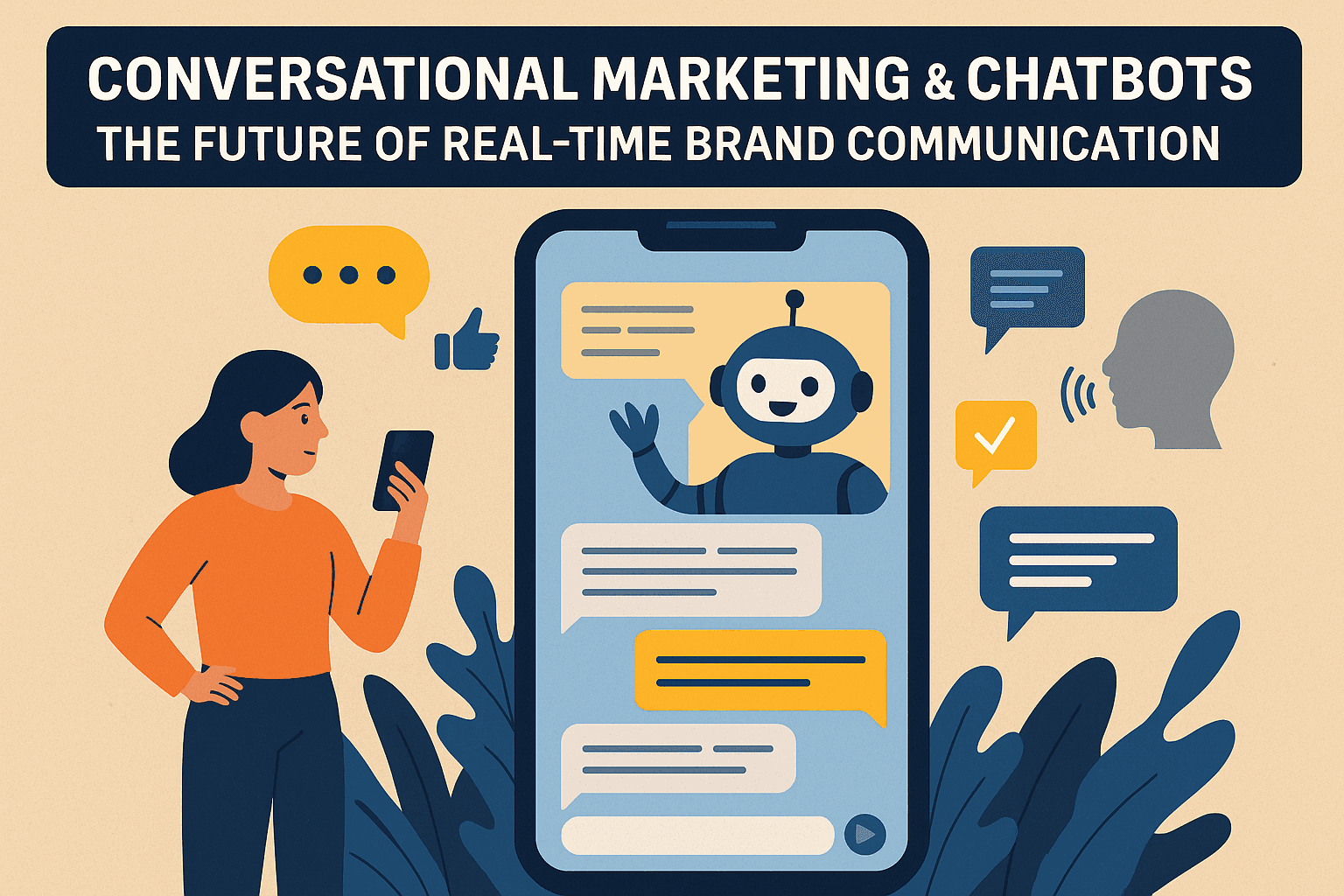
Conversational Marketing & Chatbots: The Future of Real-Time Brand Communication
There was a time when marketing was about broadcasting — sending messages, publishing posts, and waiting for responses that often never came. Today, that model feels outdated. Modern consumers expect brands to respond instantly, remember their preferences, and talk to them — not at them.
That’s where conversational marketing steps in. Powered by AI chatbots, messaging automation, and real-time personalization, it’s reshaping the way businesses communicate — transforming static campaigns into living, two-way dialogues that build relationships, not just clicks.
In 2025, conversational marketing isn’t a trend — it’s the new standard of customer engagement.
The New Reality: Conversations at the Center of Marketing
Across industries, consumers have moved to messaging-first communication. WhatsApp, Telegram, Facebook Messenger, and web chat are no longer just support tools; they’re where people discover products, ask questions, and make purchase decisions.
Instead of pushing content, brands are now expected to listen, respond, and personalize instantly. AI chatbots make this possible — whether it’s a midnight product query or a post-purchase thank-you.
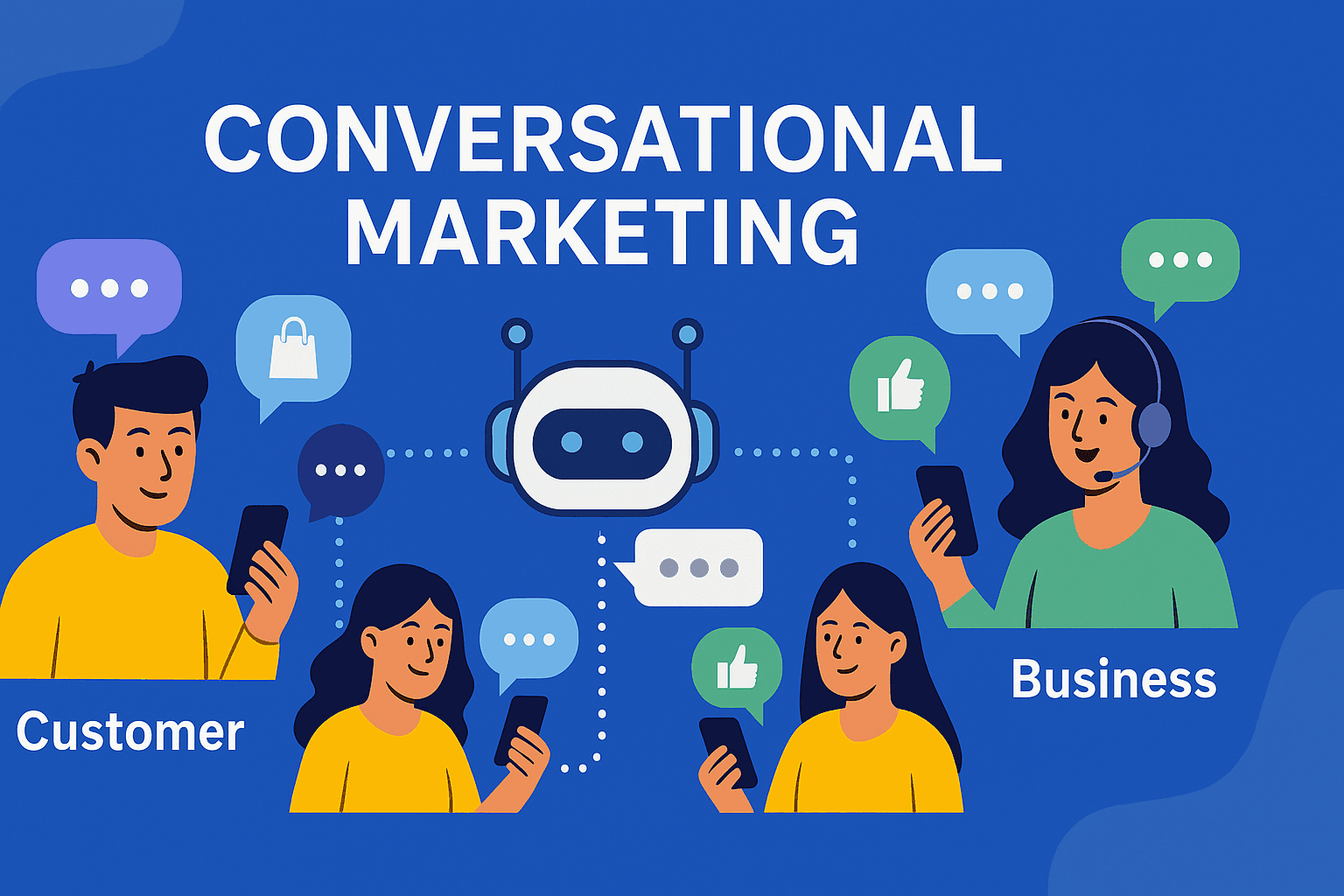
How Conversational Marketing Works
At its core, conversational marketing connects with customers through dialogue-first interactions instead of one-way broadcasts.
What makes it work in 2025:
- Real-Time Conversations — Web widgets, WhatsApp, Telegram.
- AI-Driven Personalization — Content and tone adapt to behavior.
- Cross-Channel Consistency — Continue a chat across IG → WhatsApp → Email.
- Automation + Human Touch — Bots handle routine; humans take high-value moments.
This blend of efficiency and empathy boosts satisfaction and lowers costs.
Why AI Chatbots Are Game-Changers
Chatbots evolved from FAQ tools to intelligent assistants that manage entire journeys. With NLP and ML, they read context, intent, and emotion — and often anticipate needs.
Examples:
- Retail bots suggest products based on browsing/history.
- Banking bots guide onboarding in local languages.
- Healthcare assistants handle appointment flows and reminders.
Teams using AI chat see faster resolutions and higher conversions than static forms or long queues.
The Rise of WhatsApp & Telegram Bots
In India and other mobile-first markets, messaging is the storefront. Discovery, purchase, and support now happen in a single thread.
Winning plays:
- Click-to-Chat Ads → skip landing pages; start the chat instantly.
- Automated Updates → shipping alerts, payment reminders, feedback.
- Re-engagement → offers, replenishment, abandoned-cart nudges.
- 24/7 Support → FAQs, bookings, basic troubleshooting.
Telegram bots power communities, content, and payments for tech-forward audiences.
From Data to Dialogue: Personalization at Scale
Every chat event — tap, reply, browse — feeds real-time context. Unlike after-the-fact analytics, conversational systems personalize as it happens.
Scenarios:
- Switch English ↔ Tamil based on location/preferences.
- Weekend deals triggered on Friday evening browsing.
- “Your usual?” suggestions for repeat food orders.
This contextual intelligence turns bots into trusted companions.
Key Trends Defining 2025
- Contextual Understanding — LLMs handle tone, nuance, even light sarcasm.
- Multilingual & Omnichannel — Regional-language bots drive outsized engagement.
- Agentic AI Collaboration — Multiple specialized bots coordinate behind the scenes.
- Voice-Activated Chats — Hands-free with Alexa/Assistant integrations.
- Visual & AR Messaging — Images, try-ons, video demos inside the chat.
The Measurable Impact of Conversational Engagement
Conversational experienc